Study in Tehran
Iran's academic capital — 35,000 international students, world-ranked universities, and mountain views
Monthly budget
$300–500
Universities
40+
Int'l students
35,000+
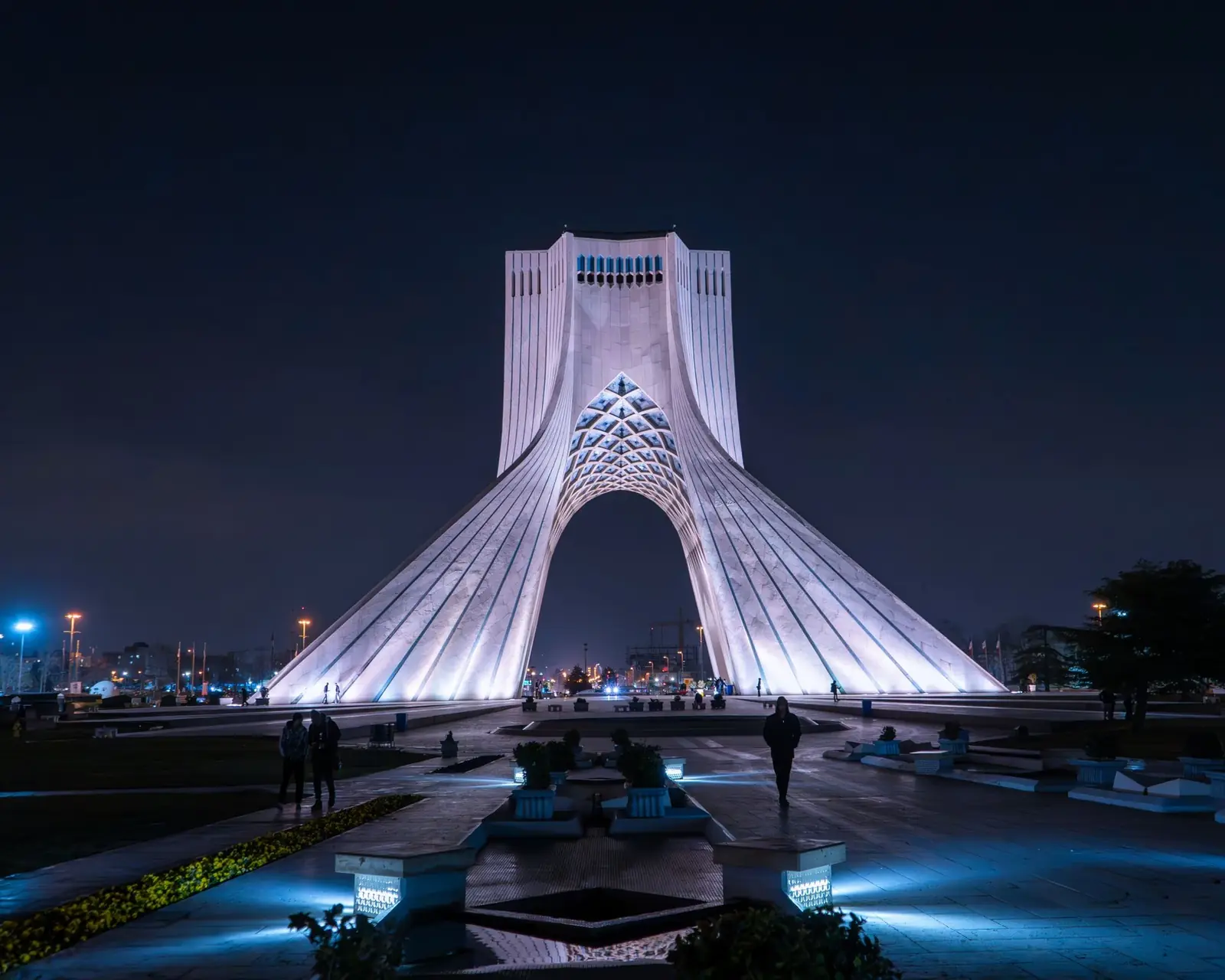
Tehran in Photos
Photos of Tehran landmarks via Wikimedia Commons.
Why Study in Tehran?
Home to Sharif University of Technology — ranked #69 in QS Asia, Iran's MIT equivalent for engineering and computer science.
Largest international student community in Iran with dedicated support offices, Persian language schools, and expat services.
Extensive metro network (7 lines) makes commuting between campuses and student districts cheap and fast.
Most cosmopolitan city in Iran — widest range of international food, cultural events, embassies, and professional networking.
Universities in Tehran
View allCost of Living
University dormitory
Budget
$70–120
Comfortable
—
Private apartment (shared)
Budget
$120–200
Comfortable
—
Private apartment (solo)
Budget
—
Comfortable
$250–350
Food (self-catering)
Budget
$40–60
Comfortable
$80–120
Metro + bus pass
Budget
$5–10
Comfortable
$10–15
Phone & internet
Budget
$5–8
Comfortable
$8–12
Monthly total
Budget
$300–400
Comfortable
$500–800
Prices in USD equivalent at informal exchange rate. All figures are 2024–2025 estimates.
| Item | Budget | Comfortable |
|---|---|---|
| University dormitory | $70–120 | — |
| Private apartment (shared) | $120–200 | — |
| Private apartment (solo) | — | $250–350 |
| Food (self-catering) | $40–60 | $80–120 |
| Metro + bus pass | $5–10 | $10–15 |
| Phone & internet | $5–8 | $8–12 |
| Monthly total | $300–400 | $500–800 |
Prices in USD equivalent at informal exchange rate. Actual costs vary with exchange rate fluctuations. All figures are 2024–2025 estimates.
Student Life
Social scene
Tehran has Iran's most active student culture — cafes along Enghelab Avenue, Laleh Park gatherings, cinema, and university clubs. Mixed-gender social spaces exist, primarily in northern districts.
Food & halal
All meat sold in Iran is halal by default. Tehran adds diversity: Lebanese, Indian, Turkish, and Korean restaurants in Vanak and Jordan neighbourhoods. University canteens serve hot meals for under $0.50.
Weather
Four distinct seasons. Summers are hot and dry (up to 38°C). Winters are cold with occasional snow (−5°C to 5°C). Spring and autumn are pleasant. The Alborz mountains bring ski resorts within 1–2 hours of campus.
City Infrastructure & Quality of Life
How Tehran ranks on the factors that matter most for day-to-day student life.
Public Transport
7 metro lines + BRT. City-wide coverage, fares from $0.05. Women-only carriages on all metro lines.
City Centre
Academic spine of the city. Walking distance between major universities, bookshops, cafes, and student services.
Parks & Green Space
Laleh Park, Mellat Park, and Jamshidieh Park are major student gathering spots. Alborz mountains accessible within 1–2 hours.
Healthcare
Multiple world-class hospitals including TUMS and Imam Khomeini Hospital. Student health insurance is available through universities.
Safety
Low street crime by regional standards. Common sense precautions apply in crowded areas. University areas are well-patrolled.
Air Quality
Poor AQI in winter months due to temperature inversion trapping pollution. Spring and autumn are much cleaner. Students with respiratory conditions should plan accordingly.
Internet & Connectivity
Fibre broadband available in most student districts. Social media (Instagram, WhatsApp, YouTube) is blocked — VPN is essential.
Shopping & Markets
Grand Bazaar, Tajrish Bazaar, and Enghelab bookshops. International goods available in upscale northern districts. Daily necessities are very affordable.
Where Students Live
Amir Abad
The main student district — University of Tehran dormitories, affordable eateries, bookshops, and Laleh Park. Young energy, walkable.
Enghelab corridor
Academic spine of the city. University buildings, libraries, stationery shops, and the cheapest student meals in Tehran.
Ekbatan / Shahrak-e Gharb
Western residential complex favoured by expat families. Quieter, cleaner, and more expensive — better for students who prioritise calm over proximity.
Getting Around
Metro
~$0.05 per ride7 lines covering all major university areas. Runs 5:30 am–10:30 pm. Women-only carriages available.
BRT (Bus Rapid Transit)
~$0.05 per rideSupplements the metro across major corridors. Requires a Snap card (loadable at metro stations).
Snapp / Tapsi
$0.50–$2 typical tripIranian ride-hailing apps (similar to Uber). Available citywide, easy to use with a local SIM card.
📋 What every international student in Iran should know
Banking
Visa and Mastercard do not work in Iran due to international sanctions. Bring cash (USD or EUR) and exchange at a licensed sarafi (exchange office). Some universities assist with local bank account setup.
Hijab
Mandatory for all women in all public spaces, regardless of nationality or religion. Enforcement varies by city — strictest in Mashhad, more relaxed in northern Tehran districts.
Internet & VPN
Instagram, WhatsApp, Twitter/X, and YouTube are blocked. VPN use is widespread among students but technically illegal. Download your VPN before arriving in Iran.
Persian language
Almost all undergraduate instruction is in Persian. Plan for a 6–12 month language preparation period before starting your degree. Persian courses are available on-campus.
International Student Community
Tehran hosts the largest international student body in Iran. The biggest communities are Afghan (by far), Iraqi, Syrian, Pakistani, and Indian. West African students (Nigeria, Ghana) are a small but growing group, primarily in medicine and engineering. ParlаStudy students are connected to a WhatsApp community before arrival.
Tehran on the Map
Tehran, Iran
Open in Google MapsFrequently Asked Questions — Tehran
Is Tehran safe for international students?
Do Tehran universities teach in English?
How much does student accommodation cost in Tehran?
Can I use my Visa or Mastercard in Tehran?
Is food halal in Tehran?
What Persian language level do I need before starting?
Compare Student Cities
Select two or three cities to see a side-by-side comparison.
Select at least one more city to compare.
Ready to Study in Tehran?
Browse programmes available at Tehran universities or speak with an advisor to find the right fit for your goals and budget.