Living in Tehran as a Foreign Student: Costs, Lifestyle, Nature, Advantages and Challenges
Tehran offers foreign students a unique combination of affordable living, academic opportunities, rich culture, and easy access to nature.
Introduction: What Is It Like to Live in Tehran as an International Student?
Tehran, the capital city of Iran, is a place of contrasts. For foreign students, living in Tehran can be an experience unlike studying in many other major cities around the world. It is a city where modern urban life meets ancient Persian culture, where busy streets exist alongside peaceful mountain landscapes, and where international students can experience a different lifestyle at a relatively affordable cost.
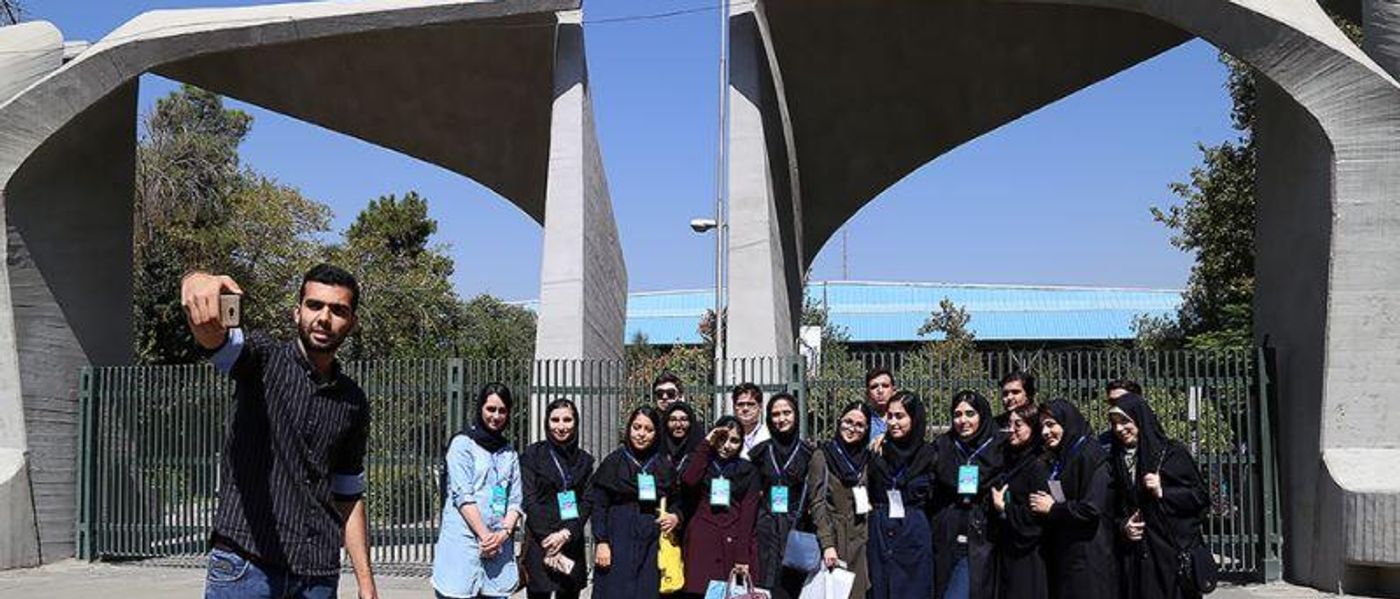
As Iran’s largest city and the country’s main academic, economic, and cultural center, Tehran attracts students from many countries who come to study medicine, engineering, humanities, Persian language, and other academic fields. Universities such as University of Tehran, Sharif University of Technology, and Amirkabir University of Technology host international students and provide opportunities for academic and cultural exchange.
However, like any major city, Tehran has both advantages and disadvantages. Understanding the cost of living, transportation, climate, social environment, and daily challenges can help foreign students decide whether Tehran is the right destination for their studies.
Cost of Living in Tehran for Foreign Students
One of the biggest advantages of studying in Tehran is affordability compared with many major international cities. While costs vary depending on lifestyle, location, and personal choices, Tehran remains relatively inexpensive for students compared with cities in Europe, North America, or East Asia.
Accommodation Costs
Housing is usually the largest expense for students. The cost depends heavily on the neighborhood and whether a student chooses a dormitory, shared apartment, or private apartment.
University dormitories are generally the most affordable option and are commonly available for international students. Private apartments, especially in central and northern Tehran, can be considerably more expensive.
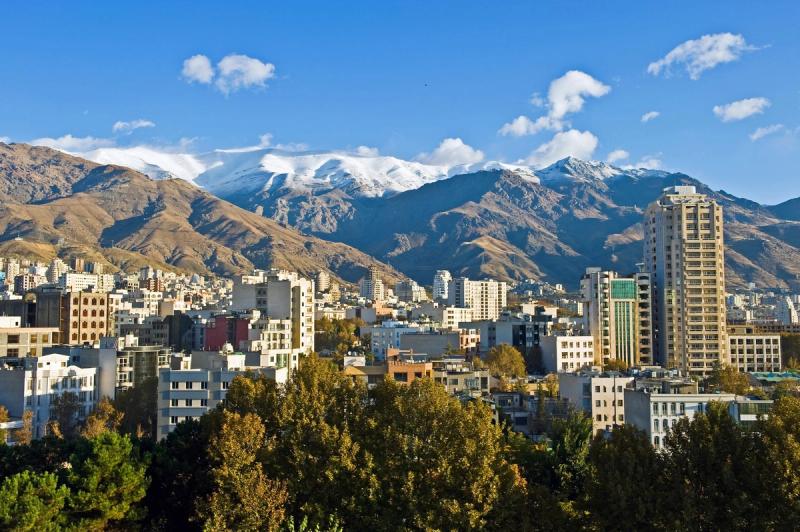
Popular areas among students include:
- Central Tehran: Close to many universities and public transportation, but usually busier and noisier.
- Northern Tehran: More modern, cleaner, and closer to the mountains, but significantly more expensive.
- Western Tehran: Often considered a balance between affordability and accessibility.
A student living in shared accommodation can manage expenses much more easily than someone renting a private apartment.
Food and Daily Expenses
Food costs in Tehran are relatively affordable, especially if students eat local food. Traditional Iranian restaurants, university cafeterias, and local markets offer inexpensive options.
A student can choose between:
- University meals, which are usually very affordable.
- Local restaurants serving Iranian dishes such as kebab, rice dishes, stews, and traditional foods.
- Supermarkets and local markets for cooking at home.
Imported products and international brands, however, can be much more expensive because of import limitations and currency fluctuations.
Transportation Costs
Tehran has an extensive public transportation network, including:
- Metro
- Public buses
- Ride-hailing applications
- Taxis
The Tehran Metro is one of the most useful options for students because it connects many parts of the city at a low cost. However, during rush hours, trains can become extremely crowded.
Traffic is one of Tehran’s biggest challenges. The city has millions of residents, and commuting by car can take significantly longer during peak hours.
The Academic Environment for International Students
Tehran offers a diverse academic environment with several highly ranked universities and research centers. International students may find opportunities in fields such as:
- Engineering and technology
- Medical sciences
- Environmental studies
- Persian language and literature
- Social sciences
Many professors have international academic backgrounds, and research collaboration with foreign universities is common.
However, foreign students should be prepared for differences in academic culture. Compared with many Western universities, Iranian universities may have:
- More formal relationships between students and professors.
- More traditional classroom structures.
- Different administrative procedures.
Learning some Persian is highly recommended because daily communication, university administration, and social interaction become much easier.
Nature and Outdoor Life in Tehran
One of Tehran’s unique advantages is its access to nature. Unlike many large capitals, Tehran is located directly next to the Alborz Mountains, providing opportunities for outdoor activities.
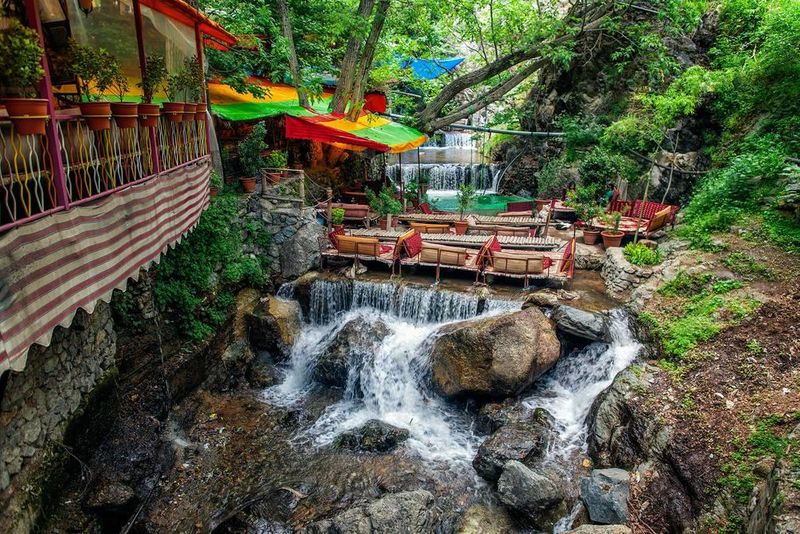
Mountains and Hiking
The northern parts of Tehran provide quick access to mountain areas such as:
- Tochal Complex
- Darband
Students can go hiking, enjoy cooler weather, and escape the busy city environment within a short distance.
For students who enjoy nature, photography, hiking, or outdoor activities, Tehran offers a rare combination of metropolitan life and mountain access.
Parks and Green Spaces
Tehran has many parks where students can relax, exercise, or meet friends. Some well-known green spaces include:
- Mellat Park
- Jamshidieh Park
- Ab-o-Atash Park
These areas provide a break from the city’s busy atmosphere.
Advantages of Living in Tehran as a Foreign Student
1. Affordable Lifestyle
Compared with many global capitals, Tehran allows students to live with a smaller budget. Accommodation, transportation, and local food are generally affordable.
2. Rich Cultural Experience
Tehran offers access to Persian history, art, literature, and traditions. Students can visit museums, historical sites, galleries, and cultural centers.
Places such as:
- Golestan Palace
- National Museum of Iran
- Grand Bazaar of Tehran
allow international students to explore Iranian culture directly.
3. Friendly Social Environment
Many foreign students find Iranian people welcoming and curious about international cultures. Hospitality is an important part of Iranian society, and students often build friendships with local classmates.
4. Strategic Location
Tehran is a gateway to explore Iran. Students can travel to destinations such as:
- Caspian Sea regions
- Historical cities like Isfahan and Shiraz
- Desert areas
- Mountain villages
Iran’s geographic diversity allows students to experience many different landscapes.
Challenges of Living in Tehran as a Foreign Student
1. Air Pollution
One of Tehran’s most serious problems is air pollution, especially during winter. The combination of heavy traffic, industrial activity, and geographical conditions can create unhealthy air quality.
Students with respiratory sensitivities may find this challenging.
2. Traffic and Crowded Urban Life
Tehran is a huge and busy city. Daily life can involve:
- Long commuting times
- Crowded public transportation
- Heavy traffic
- Noise pollution
Choosing accommodation near the university can significantly improve the student experience.
3. Language Barrier
Although some young Iranians speak English, especially in universities and major cities, Persian remains the main language of daily life.
Without Persian skills, tasks such as:
- Shopping
- Government paperwork
- Renting accommodation
- Communicating with local services
may become difficult.
Learning basic Persian phrases can make daily life much easier.
4. Cultural Differences
Foreign students may experience cultural differences related to:
- Social customs
- Clothing regulations
- Gender interactions
- Public behavior
- Religious and cultural traditions
Understanding and respecting local customs helps students adapt more easily.
5. Currency and Economic Changes
Iran’s economy has experienced significant fluctuations in recent years. Exchange rates can change, affecting prices and budgeting.
Foreign students should plan carefully and keep track of expenses.
Is Tehran a Good Choice for Foreign Students?
Tehran is not a typical international student destination like London, Berlin, or Paris. It requires flexibility, cultural curiosity, and willingness to adapt. Students who prefer a highly organized international environment may find some aspects challenging.
However, for those interested in experiencing a new culture, studying at respected universities, enjoying affordable living costs, and exploring a country with remarkable history and natural diversity, Tehran can be a rewarding choice.
The city’s combination of academic opportunities, cultural richness, affordable lifestyle, and access to mountains and nature makes it a unique place to live and study.
For many foreign students, Tehran is more than just a study destination—it becomes an opportunity to experience a different way of life and build memories in one of the Middle East’s most fascinating capitals.